If you’re shopping for a roll mat for camping, choose a pad that balances thickness, weight, and durability to fit your camping style. This guide highlights five solid options, from ultralight closed-cell foam to memory-foam camping mattresses, to help you sleep soundly outdoors. Best for solo hikers, weekend campers, or family car campers, these picks cover ground insulation, portability, and ease of use.
Summary table of selected products:
| Product | Best For | Key Benefit | Notes |
|---|---|---|---|
| Wakeman 1.25-Inch Foam Sleeping Pad (Black) | Car campers, cots | Thick foam for insulation and comfort | 5-lb, rolls compactly |
| Stansport Pack Lite Sleeping Pad | Backpackers, hikers | Lightweight, roll-up design | Closed-cell foam, waterproof |
| Wakeman 1.25-Inch Foam Sleeping Pad (Blue) | Families, wide cots | 72″ length, strong insulation | 3-lb, compact roll |
| CYMULA CertiPUR-US Memory Foam Camping Mattress Pad | Comfort-focused campers | Memory foam with body-conforming support | CertiPUR-US certified |
| SPRINGSPIRIT Cot Mattress Topper (Navy) | Camping cots, RVs | Extra thickness, stays in place | 75″x30″x1.5″ |
Wakeman Foam Sleeping Pad for Camping – 1.25-Inch Thick Black
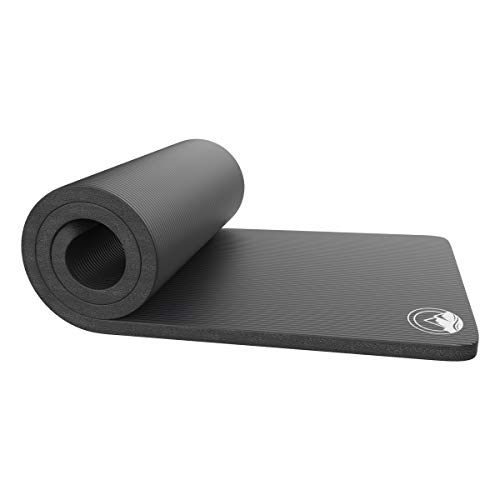
Best for: campers who need substantial insulation and a durable sleep surface on varied ground. The pad uses premium foam that is 1.25 inches thick, offering significant comfort and warmth. Its 76-inch length fits most adults on extra-wide cots or tents, making it a versatile winter/spring/fall option.
Why selected: It provides a sturdy, non-slip surface with waterproof coverage to guard against moist ground. The 5-pound weight is reasonable for car camping and short hikes, plus a carry strap improves portability.
Limitations: Heavier than ultralight options, so not ideal for long backpacking trips where weight is critical.
Stansport Pack Lite Camping & Backpacking Sleeping Pad
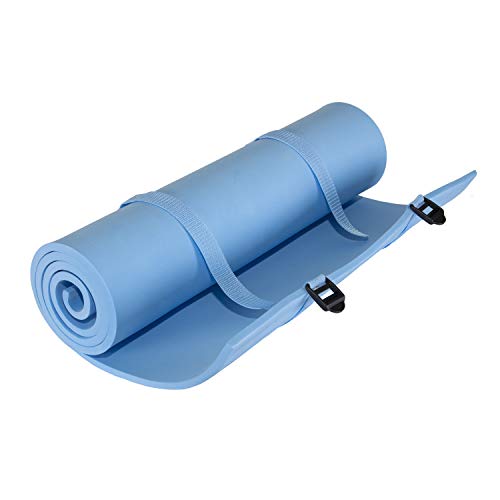
Best for: hikers and backpackers who prioritize a lightweight, roll-up pad yet need reliable warmth and dampness protection. This closed-cell foam mat measures 72 by 19 by 3/8 inches, offering a compact footprint when packed.
Why selected: Its closed-cell construction helps keep cold and dampness away, with an easy roll-up design and included straps for secure packing. It’s a straightforward, durable choice for minimalist setups.
Caution: Closed-cell foam pads may feel firmer and less plush than multi-layer foam or air mattresses, which could affect comfort for some sleepers.
CYMULA CertiPUR-US Memory Foam Camping Mattress Pad

Best for: campers seeking high-level comfort with body-conforming support. This memory foam pad adapts to the body’s shape and weight, providing enhanced shock absorption for restful sleep at campsites.
Why selected: CertiPUR-US certification adds a safety-oriented note, and the included carry bag and adjustable strap design improve portability. Non-slip and waterproof bottom help stabilize on uneven ground.
Caution: Memory foam generally adds more weight and bulk than basic foam pads; consider packing space and transport method for longer trips.
Springspirit Cot Mattress Topper – 75x30x1.5 Inches

Best for: campers who use camping cots, RV bunks, or narrow twin beds and want extra padding without sacrificing stability. The larger width and 1.5-inch thickness balance comfort with compatibility on standard camping cots.
Why selected: It stays in place with fixed corners and rope ties, helping prevent sliding during sleep. Its roll-up capability and included carry options support easy travel and storage.
Caution: This topper is designed for cot-sized sleeping surfaces; verify cot dimensions before pairing with other sleep systems.
Buying Guide
What pad thickness matters for comfort and warmth?
Thicker pads (around 1.25 inches or more) generally provide more cushioning and insulation against cold ground. Thicker options are heavier, so balance comfort with packing weight for your trip length and mode of travel.
Should you choose memory foam or traditional foam?
Memory foam offers body-conforming support and pressure relief, ideal for side sleepers or longer rests. Traditional foam is durable, often lighter, and more affordable, making it a practical choice for casual campers.
How important is foldability and portability?
Roll-up or foldable designs with straps simplify transport and storage. If you hike long distances, prioritize lighter pads with compact roll dimensions.
What surface will you use it on?
Ground insulation matters. On damp or cold ground, a waterproof surface reduces heat loss. If you’ll sleep on rocky or uneven terrain, a firmer pad with good stability helps.
Is weight a critical factor for your trip?
Backpacking trips demand lighter gear. For car camping, heavier pads with extra cushioning may be acceptable for increased comfort and warmth.
Maintenance and durability considerations
Look for water-resistant or waterproof surfaces to improve longevity. Non-slip textures help prevent pad movement during sleep, especially on slick ground or tents.
FAQ
- What is a good roll mat thickness for camping? A thickness of 1.0 to 1.25 inches typically offers a balance of comfort and portability for most campers.
- Are memory-foam camping pads safe for all environments? Memory foam pads are designed for outdoor use, but they are heavier and may be less suited to extreme backpacking where every ounce counts.
- Do these pads require a ground sheet? A ground sheet can extend pad life and keep moisture away, but many pads are already designed with waterproof or water-resistant surfaces.
- How long do foam sleeping pads last? Durable foam pads can last many seasons with proper storage. Avoid folding them along the same line repeatedly to prevent wear.
- Can I use a pad with a cot topper for extra height? Yes. A cot topper adds comfort and thickness, but ensure compatibility with cot dimensions to avoid fit issues.
- What is the best option for a tight packing list? Lightweight closed-cell foam pads typically pack smallest and are robust, making them ideal for minimalists and backpackers.