Direct answer: for a red, irritated scalp, seek antifungal or medicated shampoos that address inflammation, itch, and flaking while soothing the skin. The top picks below are best suited for people dealing with scalp redness due to dandruff, seborrheic dermatitis, psoriasis, or folliculitis, and they offer relief through antifungal or anti-inflammatory ingredients. This guide compares five effective options, highlighting who benefits most from each. A quick summary table follows to help you compare at a glance.
| Product | Brand | Best For | Key Benefit |
|---|---|---|---|
| Antifungal Shampoo for Folliculitis | Recuren Plus | Sensitive scalps prone to dermatitis | Salicylic acid and piroctone olamine for gentle cleansing and flake reduction |
| Nizoral Psoriasis Shampoo & Conditioner | Nizoral | Scalp psoriasis with itching and flaking | Ment holytic formula with salicylic acid and tea tree oil for inflammation relief |
| PHARMBANNER Anti-Fungal Shampoo | PHARMBANNER | Folliculitis, seborrheic dermatitis | Hexamidine diisetionate with herbal extracts for scalp comfort |
| Nizoral Anti-Dandruff Shampoo 1% | Nizoral | General dandruff with redness | Ketoconazole 1% targets scalp fungus at the root |
| Neutrogena T/Sal Therapeutic | Neutrogena | Severe buildup, flakes, and psoriasis-like symptoms | 3% salicylic acid for deep cleansing and long-lasting relief |
Antifungal Shampoo for Folliculitis and Dermatitis (Recuren Plus)
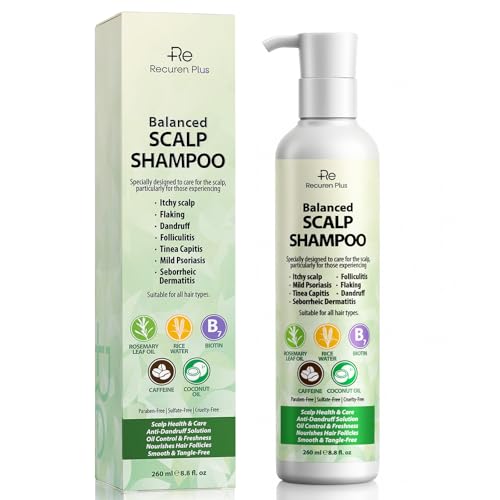
Best for: Scalp-prone conditions including dandruff, seborrheic dermatitis, tinea capitis, psoriasis, and folliculitis. This formula blends piroctone olamine with salicylic acid to lift flakes and reduce itch while rosemary and coconut oil soothe dryness. It is a milder option for sensitive scalps that still targets fungal activity and buildup.
Why chosen: It provides a balanced cleansing action that combats flakes and redness without heavy fragrances. The added botanical oils help maintain moisture after washing, which is important for red or irritated skin. Caution: if you have a known sensitivity to rosemary or coconut oil, test a small area first.
Nizoral Psoriasis Shampoo & Conditioner

Best for: Scalp psoriasis with itching and flaking where a medicated approach is needed. This duo includes a shampoo with salicylic acid and tea tree oil, offering a targeted anti-inflammatory effect and a conditioning finish to leave hair feeling cleaner and hair fibers balanced.
Why chosen: The formula addresses both symptoms and underlying irritation. It’s suitable for users seeking a stronger prescription-like intervention without a prescription. Caution: fragrance-free claims are not universal; check ingredient sensitivity if you have fragrance sensitivities.
PHARMBANNER Anti-Fungal Shampoo

Best for: Folliculitis, seborrheic dermatitis, and scalp psoriasis with an emphasis on fungal-related symptoms. The formula uses hexamidine diisetionate for fungal relief and herbal extracts to soothe irritation. It’s a solid choice when inflammation and itching are prominent.
Why chosen: The plant-based components can support scalp comfort while addressing fungal sources. Caution: follow use instructions for contact time to maximize effectiveness; overuse may dry the scalp in some cases.
Nizoral Anti-Dandruff Shampoo 1%

Best for: Dandruff with redness where a proven antifungal action is desired. Ketoconazole 1% is the key ingredient, targeting the root cause of fungus-related flakes and irritation. The formulation aims to reduce itching and scaling while restoring scalp balance.
Why chosen: It’s a widely used, over-the-counter option backed by clinical support for controlling scalp fungus. Caution: use as directed; frequent use beyond recommended guidelines can dry hair for some users.
Antifungal Psoriasis Shampoo (Oely)

Best for: Scalp psoriasis and seborrheic dermatitis with itching and dryness. The product emphasizes a root-targeted approach and includes multiple anti-fungal and soothing components. It’s suitable for users who want a sulfate- and paraben-free option.
Why chosen: The formula aims to reduce keratin abnormalities and inflammation while supporting overall scalp health. Caution: its botanical blend can vary in scent and potency; check for sensitivities to any herbal extracts.
Red By Kiss Growth MD Scalp Shampoo

Best for: Thickening and itch relief with a menthol boost. This option combines vitamins, biotin, and a menthol cool-down to provide immediate relief from scalp discomfort while promoting a perception of fuller hair. It’s appealing for those seeking a refreshing cleanse with anti-itch benefits.
Why chosen: It targets itch relief alongside a root-strengthening approach. Caution: menthol can feel strong on very sensitive scalps; consider a patch test before full use.
Buying Guide: Key Purchase Considerations
What should you look for in a shampoo for a red scalp? Start with the primary issue: fungal-related conditions respond best to antifungal actives like ketoconazole or piroctone olamine. If inflammation and itching dominate, pick products with soothing botanicals or salicylic acid for flake control. For psoriasis, a combination of anti-itch and gentle cleansing can help prevent irritation from washing.
How strong should the formula be? Over-the-counter antifungals range from 1% to 3% ketoconazole or similar actives. Higher concentrations are typically more effective for persistent symptoms but may dry the scalp. If you have a sensitive or very dry scalp, consider milder formulations with conditioning ingredients and avoid fragrances if you are sensitive to them.
How often should it be used? Frequency depends on the product and your condition. Some are labeled for 2–3 times per week, others may be used more or less often. Always follow the product’s directions and consult a clinician if symptoms persist beyond a few weeks.
What about combination products? Some shampoos pair antifungal action with moisturizers or anti-inflammatory botanicals. These can offer both symptom relief and moisture balance, which is beneficial for red, irritated scalps.
Storage and usage tips: use lukewarm water to wash, massage gently, and avoid hot water which can exacerbate irritation. Rinse thoroughly to prevent residue, which can worsen buildup and itch.
FAQ
- Is antifungal shampoo safe for daily use? Most antifungal shampoos are formulated for specific frequencies (e.g., 2–3 times per week). Daily use is generally not recommended unless advised by a clinician.
- Will these help my red scalp due to psoriasis? Some products target psoriasis-related symptoms through salicylic acid, tea tree oil, or anti-inflammatory ingredients. Effectiveness varies per individual.
- Can I use a medicated shampoo with a conditioner? Yes, but choose a conditioner compatible with medicated shampoos to maximize scalp comfort and avoid residue buildup.
- What should I do if my scalp remains red after trying a product? If redness persists beyond a few weeks or worsens, consult a dermatologist for a personalized treatment plan.
- Are fragrance-free options available? Yes, several formulations advertise fragrance-free or low-fragrance ingredients, which can help sensitive scalps.
- Can I switch between these products? Alternating between products can be beneficial to address different symptoms, but introduce changes gradually to monitor reactions.