If you’re planning wild camping in chilly environments, the right sleeping bag can make the difference between a restorative night outdoors and a restless one. This guide focuses on five reliable options that excel in cold-weather camping, hiking, and backpacking. Each pick targets a specific camper profile—from hardcore winter travelers to seasonal campers—so you can choose confidently based on temperature ratings, insulation, and design features.
Summary of chosen products:
| Product | Best For | Key Reason |
|---|---|---|
| Klymit Wild Aspen Lightweight Mummy Cold Weather Sleeping Bag | Cold-weather backpackers | 20°F rating, durable shell, full-coverage hood |
| Klymit Wild Aspen Lightweight Mummy Sleeping Bag | Freezing temps and outdoor versatility | 0°F rating, dual-layer insulation, deep hood |
| OneTigris Bushcrafter’s Sleeping Bag | 3-season hikers | 350T shell, anti-snag zippers, hood protection |
| oaskys Camping Sleeping Bag | Three-season campers | 3-season design, weather resistance, 210T shell |
| All Season Sleeping Bag – 32°F | Early spring/fall camping | 32°F warmth, upgraded waterproof shell |
Klymit Wild Aspen: Lightweight Mummy Bag For Cold Weather

The Klymit Wild Aspen 20°F sleeping bag is designed for night-time protection in freezing temperatures. It features a water- and abrasion-resistant micro polyester shell and lightweight synthetic insulation. The full-coverage hood and draft tube help block wind and cold air. This option is best for cold-weather backpackers who prioritize warmth-to-weight balance and compact packing.
Who it’s best for: solo hikers and campers who expect temperatures near or below freezing and need dependable heat retention without added bulk.
Why chosen: It combines a respectable temperature rating with durable materials and a protective hood, making it a practical pick for high-ground treks and exposed campsites.
Caution: The bag’s warmth relies on proper fit and layering; users should avoid compressing insulation too tightly in storage before trips.
Klymit Wild Aspen: 0°F Cold Weather Mummy Bag
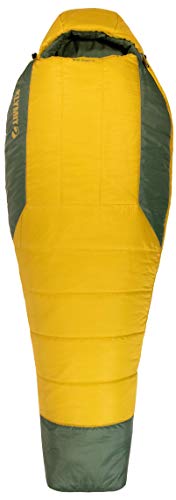
This second Klymit option targets freezing conditions with a 0°F rating. It uses dual layers of lightweight Thermapro synthetic fill inside a durable micro polyester shell. It features a fully adjustable deep-pocket hood and a zipper draft tube to minimize drafts. It’s best for campers who want extra warmth in more severe cold or windy terrains.
Who it’s best for: campers facing single-digit temperatures and windy nights who want extra insulation through dual-layer fill.
Why chosen: The dual-layer insulation boosts warmth without a huge weight penalty, aiding comfort during extended cold periods.
Caution: Higher warmth often means increased pack weight; balance with your backpacking goals and space.
OneTigris Bushcrafter’s Sleeping Bag

The OneTigris Bushcrafter’s sleeping bag focuses on three-season comfort. It uses a water-repellent outer shell with a protective lining and a 7-ounce polycotton filling. The YKK zippers are designed to minimize snagging, and the hood includes cord-stopped features for extra draft protection. This bag suits campers who need a versatile option for shoulder-season adventures and moderate temps.
Who it’s best for: hikers and campers who balance weight, weather resistance, and ease of maintenance for varied spring through fall treks.
Why chosen: The snag-free zippers and hood design improve usability in rugged outdoor settings, making it a reliable mid-season choice.
Caution: Not ideal for extreme winter conditions; plan for additional layers if temperatures drop significantly.
oaskys Camping Sleeping Bag: 3-Season Comfort
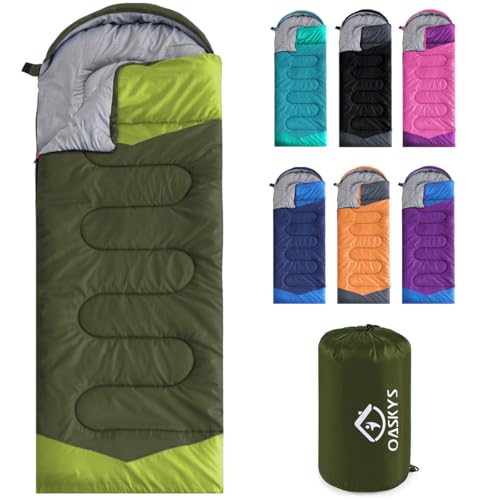
The oaskys bag is designed as a three-season sleeping bag with a 10–20°C comfort range, suitable for spring through fall camping. It emphasizes a weather-resistant design and a double-filled construction to retain warmth. The bag uses a 210T outer shell and 190T lining for durability and comfort. It’s a practical choice for adventurers who expect variable conditions but aren’t aiming for deep-freeze protection.
Who it’s best for: campers who need a flexible bag for mild-to-cool nights and variable climates while prioritizing a balance of warmth and packability.
Why chosen: The combination of weather resistance and double-fill helps maintain warmth without excessive weight for most three-season trips.
Caution: It may be insufficient in more extreme cold; consider layering or a supplemental liner in harsh nights.
All Season Sleeping Bag: 32°F Warmth

The All Season Sleeping Bag from ASHOMELI targets mild winter and shoulder-season use with a 32°F warmth rating. It emphasizes an upgraded waterproof outer shell for damp environments and a soft fleece lining to reduce skin irritation. This bag is intended for campers who expect cool dewy nights and need reliable warmth without requiring extreme cold-weather protection.
Who it’s best for: early spring or late fall campers, or anyone who camps in damp or variable conditions and wants a comfortable, moisture-resistant solution.
Why chosen: The fleece lining and waterproof shell provide a comfortable feel and extra protection against damp nights, improving overall sleep quality in transitional seasons.
Caution: A 32°F rating is not designed for freezing conditions; plan for supplemental insulation if temperatures drop below freezing.
Buying Guide: Practical Considerations For Wild Camping Sleeping Bags
What temperature rating do you actually need? Start with your typical overnight low in the areas you’ll camp. If you expect subfreezing temps, prefer bags with 0°F to 20°F ratings and consider dual-layer insulation for extra warmth.
Material and durability matter. Look for a durable outer shell (polyester or nylon) with a moisture-resistant finish, and inner lining that feels comfortable against skin. Lightweight synthetic fills offer warmth even when damp and are easier to dry than down in wet conditions.
Weight and compressibility influence backcountry usability. A bag around 2–3 pounds and compressible to a small pack size is generally favorable for hikers. If you’re not carrying heavy, a heavier bag with more warmth can be acceptable.
Design features that improve comfort. A full-coverage hood, draft tubes, and well-placed zippers help prevent cold spots. Consider mummy shapes for efficient heat retention, or rectangular designs if you prioritize roominess and sleeping spread.
Seasonality and versatility. For unpredictable climates, a 3-season bag or a 32°F to 50°F range can offer flexibility. Ensure the bag can be used with a liner or blanket for additional warmth without a lot of bulk.
FAQ: Quick Answers For Wild Camping Sleepers
- What should I consider first when choosing a wild camping sleeping bag? Temperature rating, insulation type, and outer shell durability are the top priorities for cold-weather use.
- Is a 0°F sleeping bag necessary for most adventures? Not usually; reserve 0°F or lower ratings for extreme cold or high-altitude conditions. A 20–32°F bag is often sufficient for shoulder-season camping.
- Are synthetic fillings better than down for wet conditions? Yes. Synthetic insulation retains warmth when damp and dries faster, which is beneficial in wet environments.
- Should I choose a mummy bag or a rectangular bag? Mummy bags are warmer per weight due to their snug fit, while rectangular bags offer more room to move and are easier to pair with a liner.
- How can I maximize warmth without adding bulk? Use a proper sleeping pad, wear minimal but warm sleepwear, and consider a sleeping bag liner to boost warmth without significantly increasing weight.